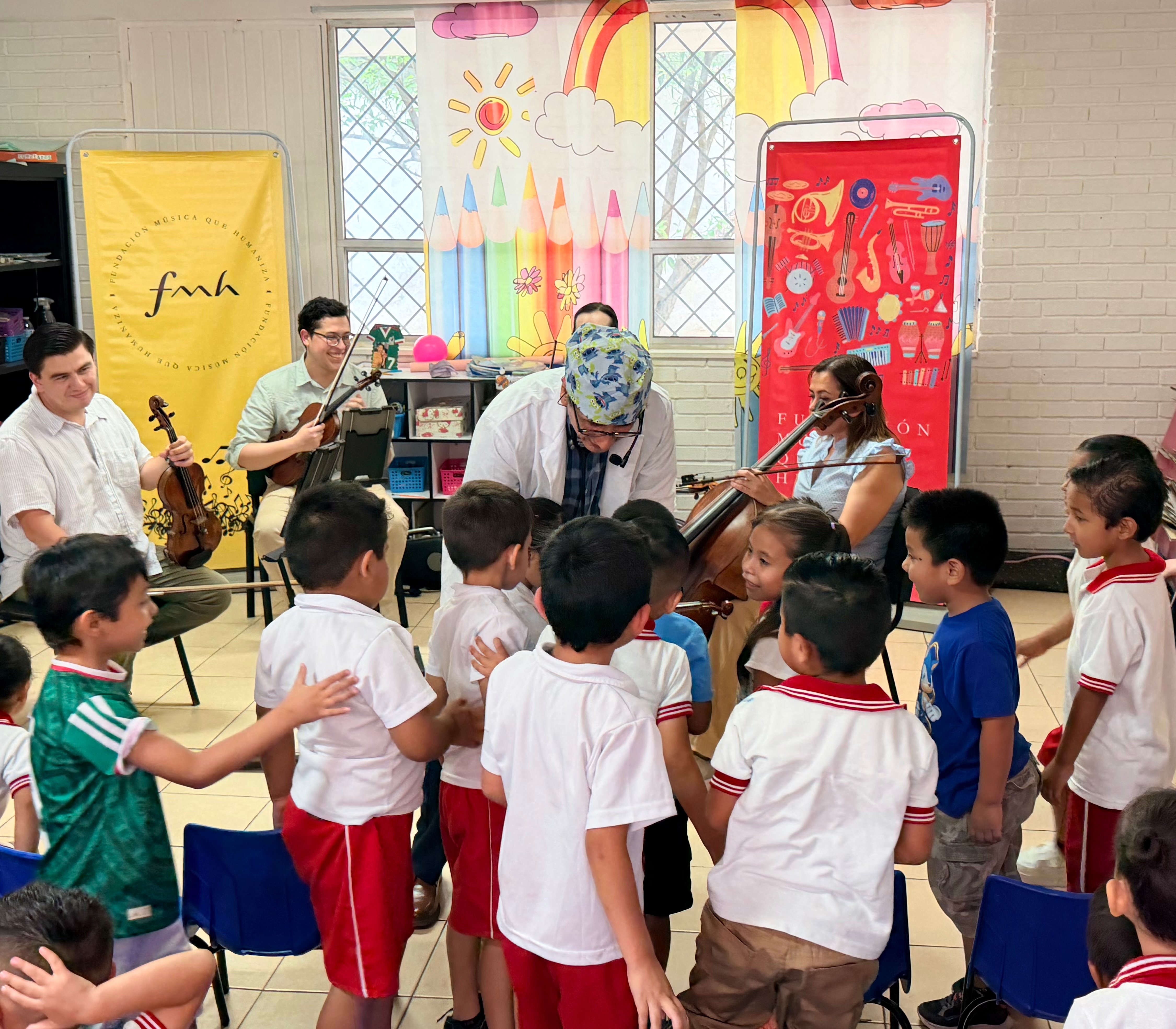
There are concerts that start before the first note rings. Last Wednesday, at the Jesus Treviño Gómez Children's Garden, the students were sitting in the courtyard with blankets — almost like on a country day, without food — when a teacher took the floor to introduce the visitors. That's when someone in the audience noticed a man standing on the side, with a white robe, a stethoscope and, looking under the robe, a couple of shorts. The questions didn't take long: who was that doctor? What was he here for?
They didn't have to wait long to find out. Fernando Guajardo pushed a small ambulance to the center of the courtyard and revealed what he had brought: a 1 / 16 violin — so small that it could not be called otherwise that the baby raped. The doctor had a task: to check that the baby had all its parts, just like his dad. Head, neck, body, ropes, bridge. The students followed the check-up with a care that any doctor would envy. The mystery of the doctor with shorts had found his answer — And it turned out to be the best kind of anatomy a violin can give.

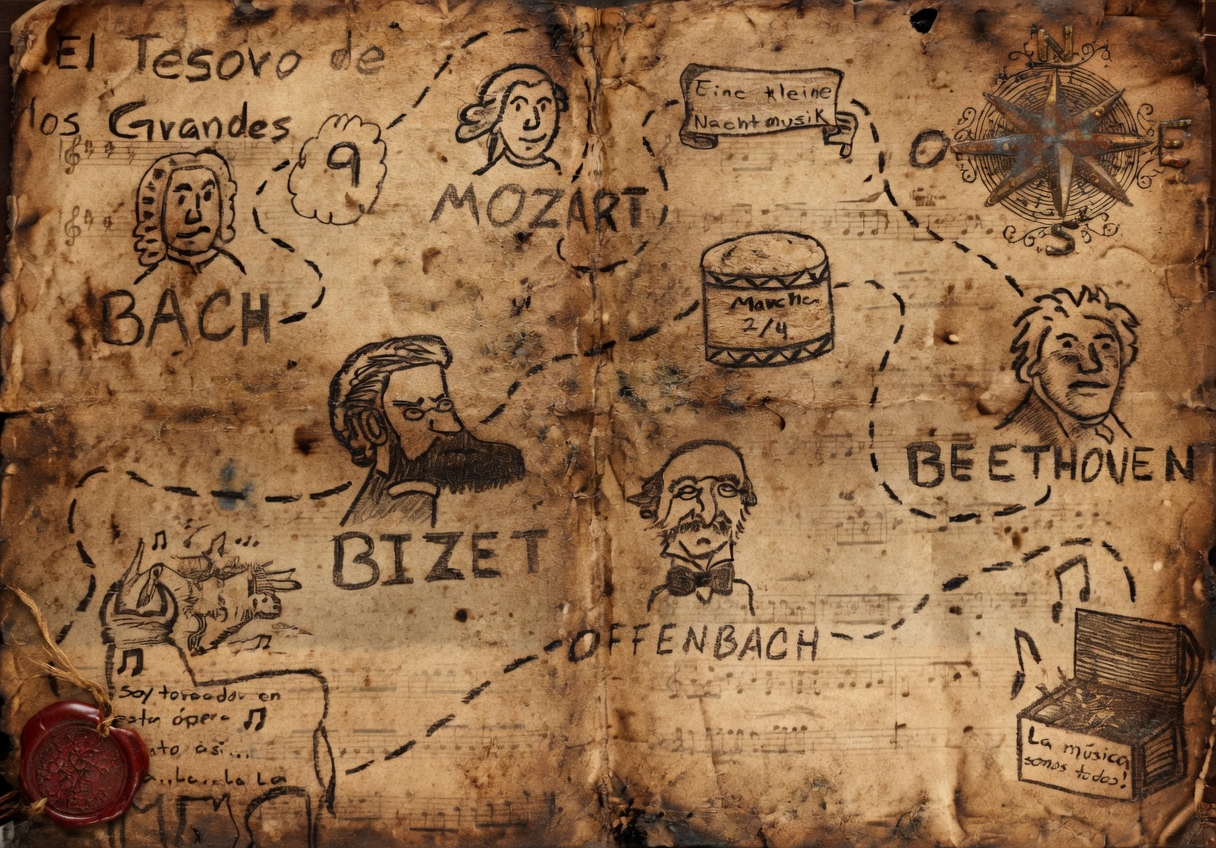
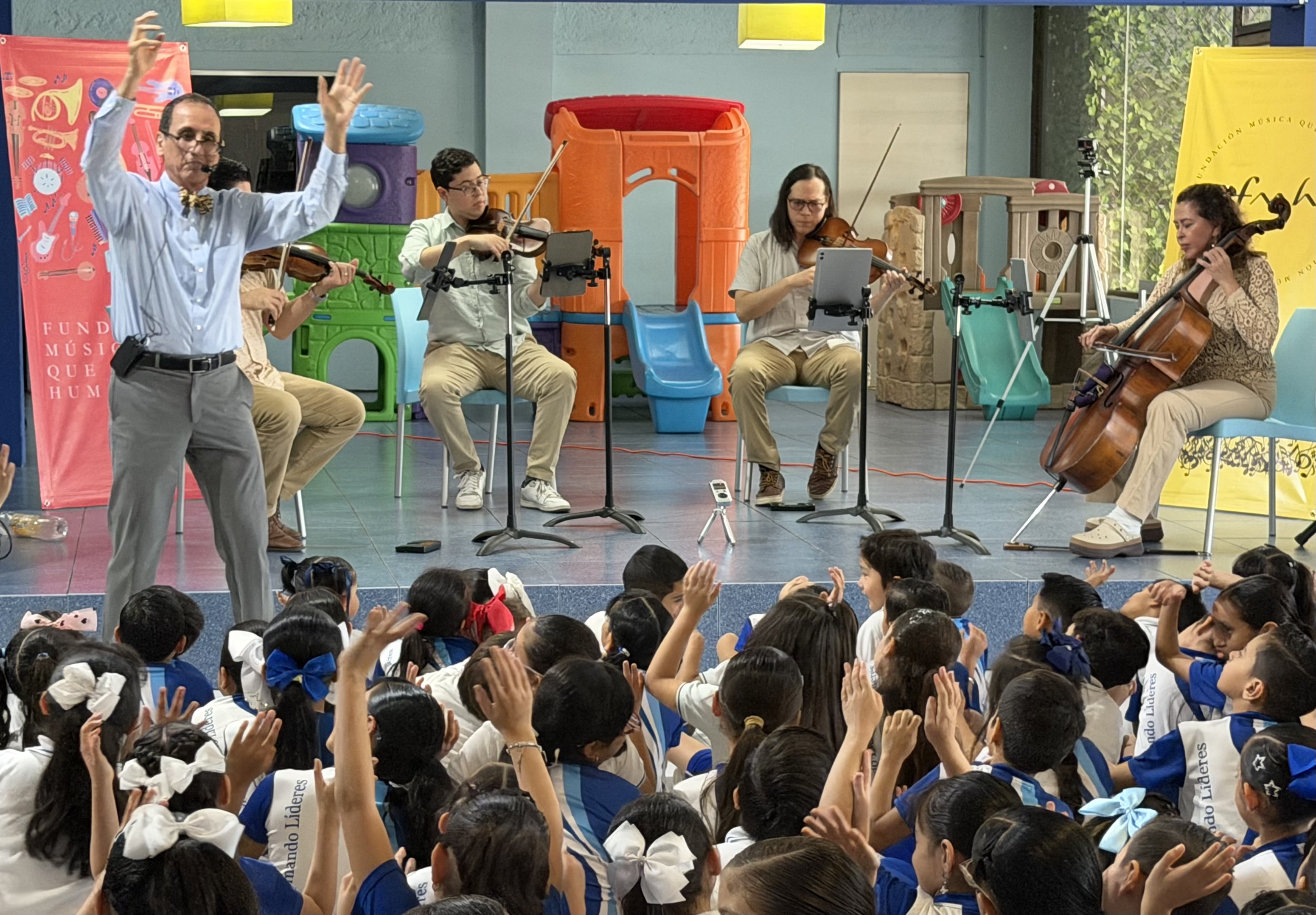
With the secret revealed, the Krosch Corps Quartet and Fernando Guajardo entered into The Quartet and the Secret of Music — a tour of just over 40 minutes by Mozart, Beethoven, Pachelbel, Vivaldi, Brahms and Strauss. Fernando led the students by the porquis behind the music: The Spring de Vivaldi learned that composers wrote to tell stories, and that every trill they listened to was nothing but a bird talking through the strings. With Martinillo they discovered the canon — that way the voices are pursued — singing it themselves with Fernando and his teachers.
The image that left this visit is difficult to forget: the students sitting in blankets under the sky of Monterrey, the Krosch Corps Quartet playing in the courtyard, and a 67-year-old man with white robe and shorts presenting a violin baby as if it were the most natural thing in the world. Because in the universe of Fernando Guajardo and Fundación Música que Humaniza, it is.